

Home/Wellness Zone/Sakra Blogs

27th Apr, 2023

Fatty liver, also known as hepatic steatosis, is a condition where excess fat accumulates in the liver. Normally, the liver contains some amount of fat, but when the amount of fat exceeds 5% to 10% of the liver's weight, it is considered a fatty liver. Fatty liver can be caused by various factors such as obesity, high blood sugar, high cholesterol, excessive alcohol consumption, and certain medications.
If left untreated, fatty liver can lead to liver damage, cirrhosis, and even liver failure. Therefore, it is important to consult with a liver specialist for diagnosis and treat fatty liver as early as possible to prevent complications. In this article, we will discuss the causes and treatment options for fatty liver.
Fatty liver can be caused by a variety of factors, including:
Non-alcoholic fatty liver disease (NAFLD) as the name suggests is when fatty liver occurs without alcohol use due to metabolic conditions as listed above.
Fatty liver disease often develops without noticeable symptoms, especially in the early stages. Many people discover they have it during routine blood tests or an ultrasound. When symptoms occur, they may include:
Fatigue: Feeling unusually tired or lacking energy even after adequate rest.
Discomfort in the upper-right abdomen: A dull ache or feeling of fullness beneath the right side of the ribs.
Unexplained weakness: Feeling less energetic during everyday activities.
Abdominal discomfort: Mild discomfort or a sense of fullness in the abdomen.
So, here are some fatty liver treatment options:
Early fatty liver disease may not cause clear warning signs. However, certain symptoms can indicate worsening liver problems and should not be ignored.
Persistent fatigue: Ongoing tiredness that affects daily activities may need evaluation.
Unexplained abdominal discomfort: Persistent pain or discomfort in the upper-right abdomen should be assessed.
Yellowing of the skin or eyes: Jaundice may indicate significant liver dysfunction or another serious condition.
Swelling in the abdomen or legs: Fluid buildup can occur in advanced liver disease.
Easy bruising or bleeding: This may indicate impaired liver function or another underlying problem.
Fatty liver is diagnosed using a combination of medical history, physical examination, blood tests, and imaging. The doctor may also assess risk factors such as obesity, diabetes, high cholesterol, and alcohol consumption.
Common diagnostic tests include:
Liver function tests: Blood tests measure enzymes such as ALT and AST, which may be elevated when liver cells are damaged. Normal results do not always rule out fatty liver disease.
Ultrasound: An abdominal ultrasound can identify fat accumulation in the liver, although it may not detect mild fatty liver or accurately determine the degree of scarring.
FibroScan: This specialised scan estimates liver stiffness and can help assess fibrosis, or scarring, and sometimes liver fat.
Additional blood tests: These may help identify other liver conditions and assess metabolic health.
Liver biopsy: In selected cases, a small liver tissue sample is examined to determine the extent of inflammation or damage when other tests are insufficient.
A balanced diet can help reduce liver fat, improve blood sugar control, and support overall liver health. A Mediterranean-style eating pattern, adapted to local food preferences, is often a useful approach.
Sample Daily Diet Plan for Fatty Liver
Early morning: Water, followed by a small handful of unsalted nuts if desired.
Breakfast: Vegetable oats, vegetable poha, or whole-wheat dosa with sambar.
Mid-morning: One serving of whole fruit, such as an apple, guava, or orange.
Lunch: Whole-wheat roti or a moderate portion of brown rice, dal or beans, cooked vegetables, and a serving of curd.
Evening snack: Roasted chana, a small handful of nuts, or unsweetened tea.
Dinner: Vegetable soup with dal and roti, or grilled fish or tofu with vegetables.
Drinks: Water and unsweetened beverages instead of sugary drinks, packaged juices, or sweetened tea and coffee.
Foods to Include
Vegetables: Leafy greens, carrots, beans, broccoli, and other seasonal vegetables.
Whole grains: Oats, millets, whole-wheat roti, and other minimally processed grains.
Healthy protein sources: Dal, beans, chickpeas, eggs, fish, tofu, and lean poultry.
Healthy fats: Nuts, seeds, and moderate amounts of unsaturated vegetable oils.
Whole fruits: Choose whole fruit rather than fruit juice to retain fibre and avoid concentrated sugars.
Foods to Limit or Avoid
Sugary drinks: Soft drinks, sweetened beverages, and packaged fruit juices.
Refined carbohydrates: Large portions of white bread, refined-flour snacks, and other highly processed carbohydrates.
Fried foods: Deep-fried snacks and fast food that are high in calories and unhealthy fats.
Sweets: Cakes, biscuits, desserts, and foods with added sugar.
Alcohol: Avoid alcohol, particularly if fatty liver is related to alcohol use or there is liver inflammation or scarring.
Fatty liver is a common condition that can lead to serious liver damage if left untreated. Making lifestyle changes such as losing weight, exercising regularly, and eating a healthy diet, along with medications and managing underlying conditions, can help treat fatty liver. If you are struggling with fatty liver, you can consult with doctors at Sakra World Hospital, the best liver treatment hospital in Bangalore, and know the best approach to managing your condition.
1. What is the best treatment for fatty liver?
The best treatment for fatty liver depends on its cause and severity. Weight management, a balanced diet, regular exercise, limiting alcohol, and controlling diabetes and cholesterol can help reduce liver fat and prevent further damage.
2. Can fatty liver be reversed completely?
Yes, fatty liver can often be reversed, especially when identified early before significant liver scarring develops. Healthy lifestyle changes and management of underlying conditions can help reduce liver fat and improve liver health.
3. How can I reduce fatty liver naturally?
You can help reduce fatty liver by eating a balanced diet, exercising regularly, losing excess weight gradually if needed, and avoiding sugary drinks. Limit alcohol and manage conditions such as diabetes and high cholesterol with appropriate medical guidance.
4. What are the early symptoms of fatty liver?
Fatty liver often causes no noticeable symptoms in its early stages. Some people may experience fatigue or discomfort in the upper-right abdomen, while advanced liver disease can cause jaundice, abdominal swelling, or leg swelling.
5. What foods should I avoid if I have fatty liver?
Limit sugary drinks, sweets, refined carbohydrates, deep-fried foods, and highly processed snacks. Avoid or minimise alcohol, as it can worsen liver damage, and follow medical advice based on the type and severity of liver disease.
6. Which foods are good for fatty liver?
Vegetables, whole grains, legumes, nuts, fruits in appropriate portions, and protein sources such as fish, eggs, and lean poultry can support liver health. Unsaturated fats from foods such as olive oil and nuts are preferable to excessive saturated fats.
7. Can fatty liver be treated without medication?
Many people with early fatty liver can improve their condition through lifestyle changes without needing liver-specific medication. However, some patients may require medication or treatment for associated conditions, so regular medical assessment is important.
8. How long does it take to reverse fatty liver?
Improvement may begin within a few weeks to months after consistent lifestyle changes, but the time needed depends on the severity of the condition and other health factors. More advanced disease may take longer to improve, and liver scarring may not fully reverse.
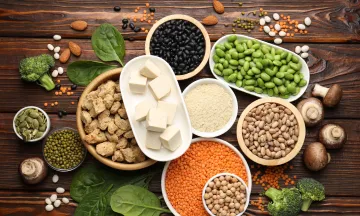
Diet can play an important role in managing symptoms associated with gallstones. Although food cannot dissolve existing gallstones, choosing the right foods may help reduce digestive discomfort and lower the likelihood of triggering gallbladder pain. A healthy gallbladder stones
20 Aug 2026
Gallstones, medically known as cholelithiasis, are hardened deposits that form inside the gallbladder. They can range in size from tiny grains to larger stones and may occur as a single stone or multiple stones. Many people with gallstones
20 Aug 2026

Liver transplant surgery is an essential life-saving procedure for individuals suffering from advanced liver disease, cirrhosis, or acute liver failure when other treatment options have failed. This surgery involves replacing a damaged or diseased liver with a healthy one, which
2 Jun 2025
A liver transplant is often considered a last but life-saving option for individuals suffering from severe or end-stage liver disease. Although the journey can seem overwhelming, gaining a clear understanding of the process—from evaluation, meeting eligibility requirements, and donor matching,
21 May 2025
Undergoing a liver transplant is a major milestone—and for many patients, it offers a second chance at life. However, life after liver transplant requires commitment, patience, and long-term care. Understanding the recovery process and adopting healthy habits are essential for
21 May 2025

Gastrointestinal (GI) Disorders Gastrointestinal (GI) disorders affect millions of people worldwide and can range from mild, temporary discomfort to serious chronic illnesses. These disorders impact the digestive tract, which includes the oesophagus, stomach, small intestine, large intestine (colon), rectum, and
24 Apr 2025

Robotic Whipple's surgery, or robotic pancreaticoduodenectomy, is a groundbreaking advancement in the surgical treatment of pancreatic diseases. This complex procedure, traditionally performed through open surgery, has been revolutionized by robotic systems, offering numerous benefits such as enhanced precision, reduced
8 Aug 2024

Robotic liver surgery represents a significant advancement in the field of hepatic surgery, offering numerous benefits over traditional methods. This cutting-edge technique utilizes robotic systems to enhance the precision, dexterity, and control of surgeons, leading to improved patient outcomes and
8 Aug 2024

As a team specializing in complex liver, hepatobiliary pancreatic, upper GI, colorectal, hernia, and abdominal wall reconstruction surgeries, we have had the privilege of conducting the initial 100 surgeries utilizing the state-of-the-art da Vinci Surgical System. This cutting-edge technology has
12 Mar 2024

GI cancer stands for gastrointestinal cancer, which refers to a group of cancers that affect the digestive system. This includes cancers of the oesophagus, stomach, small intestine, colon, rectum, liver, gallbladder, and pancreas. The most common types of GI
24 May 2023

Fatty liver, also known as hepatic steatosis, is a condition where excess fat accumulates in the liver. Normally, the liver contains some amount of fat, but when the amount of fat exceeds 5% to 10% of the liver's weight, it
27 Apr 2023

Treatment for swallowing disorders caused by muscular issues, including esophageal spasms, involves a surgery called “peroral endoscopic myotomy” (POEM). POEM procedures use an endoscope which is a narrow flexible tube with a camera and it is inserted through the mouth
13 Mar 2023

Liver transplantation is recommended for people with end-stage liver disease or acute liver failure. End-stage liver disease is a condition in which the liver has become so severely damaged that it can no longer function properly. Acute liver failure, on
6 Mar 2023

What is an Inguinal Hernia? A hernia may be a protrusion of some of the contents of the abdomen into the groin area. It is a common problem in children, particularly seen in boys. This occurs because there is an area
6 Apr 2021

With Covid-19 outbreak, we are living through a tough time like no other. The deadly virus has not just infected our body but also our mind and has disrupted the normal course of life. Nothing is the same as before,
27 Jul 2020

Ever since the outbreak of Coronavirus reported from China back in December 2019, it has spread to the rest of the world and became a global pandemic. Till date, the virus has infected over 56,523 people in India and resulted
28 May 2020

The increased economic growth has brought prosperity no doubt but has also resulted in a higher incidence of diseases such as diabetes, hypertension, and of course obesity. With the higher consumption of highly refined and ‘junk’ foods, these diseases have
22 Nov 2019

1. What is Acute Pancreatitis? Acute pancreatitis is an inflammatory disease of the pancreas, in response to an irritant, which leads to a spectrum of symptoms. It usually affects young individuals in the prime of their lives. 2. What are the causes
26 Jun 2017

Pancreas is the organ which resides between our stomach and spine. From the moment we are born our pancreas is like a machine on autopilot, silently working, doing its job meal after meal, day after day! The pancreas is a specialist
2 Sep 2016
Enquire Now


