

Home/Wellness Zone/Sakra Blogs

6th Nov, 2024
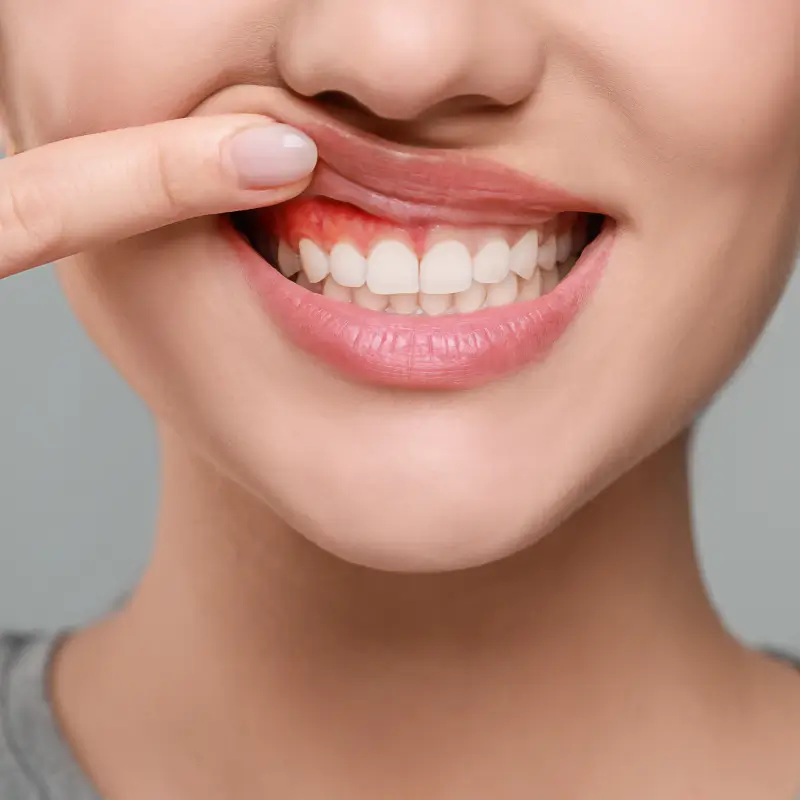
Oral hygiene is an essential aspect of our overall health and well-being. It encompasses all the practices aimed at maintaining a clean mouth and preventing dental problems. Regular brushing, flossing, and visits to the dentist contribute significantly to oral hygiene.
Here are some oral hygiene benefits include:
In addition to regular brushing and flossing, several home remedies can support oral hygiene:
Maintaining good oral hygiene is crucial for overall health and well-being. By understanding the importance of oral care and implementing effective practices and home remedies, you can enjoy a healthier mouth, a brighter smile, and improved overall health. Remember, prevention is always better than cure, so start taking care of your oral hygiene today for a healthier tomorrow!
1. Why is oral hygiene important for overall health?
Oral hygiene helps prevent tooth decay, gum disease, bad breath, and tooth loss. Maintaining a healthy mouth also supports overall well-being and helps reduce the risk of complications associated with untreated oral infections.
2. What are the benefits of maintaining good oral hygiene?
Good oral hygiene helps keep teeth and gums healthy, prevents plaque buildup, reduces bad breath, and lowers the risk of cavities. It also helps preserve natural teeth and supports comfortable eating and speaking.
3. What is the best daily oral hygiene routine?
Brush your teeth twice daily with fluoride toothpaste and a soft-bristled toothbrush. Clean between your teeth once a day using dental floss or an interdental cleaner, clean your tongue gently, and attend regular dental check-ups.
4. How many times should I brush my teeth each day?
You should brush your teeth at least twice a day, preferably in the morning and before bedtime. Brush gently for two minutes each time using fluoride toothpaste to remove plaque and protect against tooth decay.
5. How can I maintain good oral hygiene at home?
Maintain good oral hygiene by brushing twice daily, flossing once a day, drinking water regularly, and limiting sugary foods and drinks. Replace your toothbrush every three to four months or sooner if the bristles become frayed.
6. What are the common signs of poor oral hygiene?
Common signs include persistent bad breath, plaque buildup, bleeding or swollen gums, tooth sensitivity, and visible tooth decay. If these symptoms persist, consult a dentist for evaluation and treatment.
7. How does poor oral hygiene affect overall health?
Poor oral hygiene can lead to cavities, gum disease, tooth loss, and oral infections. Gum disease is also associated with conditions such as cardiovascular disease and diabetes, although these associations do not necessarily mean that poor oral hygiene directly causes them.
8. What are the best home remedies for maintaining oral hygiene?
The most effective home practices are brushing with fluoride toothpaste, daily flossing, cleaning the tongue, and rinsing with water after meals. Avoid using acidic substances such as lemon juice or abrasive materials such as charcoal on teeth, as they may damage enamel and irritate the gums.
Your smile says a lot about you. In fact, it’s often one of the first things people notice—and keeping it healthy does more than just enhance your appearance. Strong teeth and healthy gums are key to chewing food properly,
2 Jul 2025
Dental issues such as cavities, gum infections, sensitivity, bad breath, and erosion are among the most common dental problems people face today. Thankfully, with simple daily habits like brushing properly, eating right, and even using home remedies like salt water,
2 Jul 2025

A healthy diet plays a crucial role in maintaining strong teeth and gums. Eating the right foods can help strengthen enamel, protect against cavities, and support overall oral health. Incorporating enamel-strengthening foods, calcium-rich foods for teeth, and foods good for
20 Feb 2025
Dental braces are a widely used orthodontic treatment designed to correct misaligned teeth, bite issues, and jaw irregularities, improving both oral health and aesthetics. They work by applying continuous pressure to gradually shift teeth into proper alignment. Whether you're an
20 Feb 2025

Gums play a crucial role in maintaining your overall oral health and ensuring a healthy teeth condition. Gum diseases can affect oral health causing serious oral issues. That is why it is important to stay aware of your gum condition.
6 Nov 2024
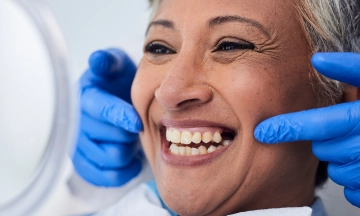
Oral health is a crucial aspect of overall health, especially for seniors. As we age, our mouths undergo significant changes, making dental care more important than ever. This guide covers the essential aspects of oral health care for seniors, providing
13 Jun 2024
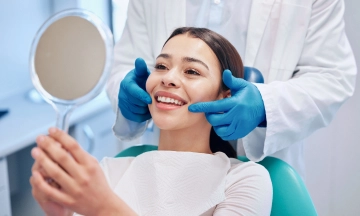
In the realm of personal health and hygiene, dental care often takes a central role. Our oral health not only influences our ability to eat and speak but also impacts our overall well-being. Neglecting dental health can lead to various
18 Apr 2024
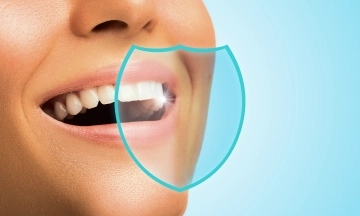
The gleam of a healthy smile is often attributed to pearly white teeth, but the real hero behind that glistening surface is the hard, mineralized layer called enamel. It acts as the teeth's first line of defense against the
2 Jan 2024
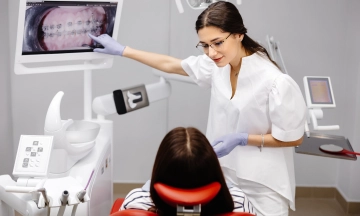
The dental landscape is undergoing a significant transformation, driven by the integration of cutting-edge digital technologies, including digital imaging in dentistry. From intraoral scanners to 3D printing, digital dentistry is revolutionizing the way dentists diagnose, treat, and manage dental
2 Jan 2024
Enquire Now