

Home/Wellness Zone/Sakra Blogs

22nd Jan, 2021
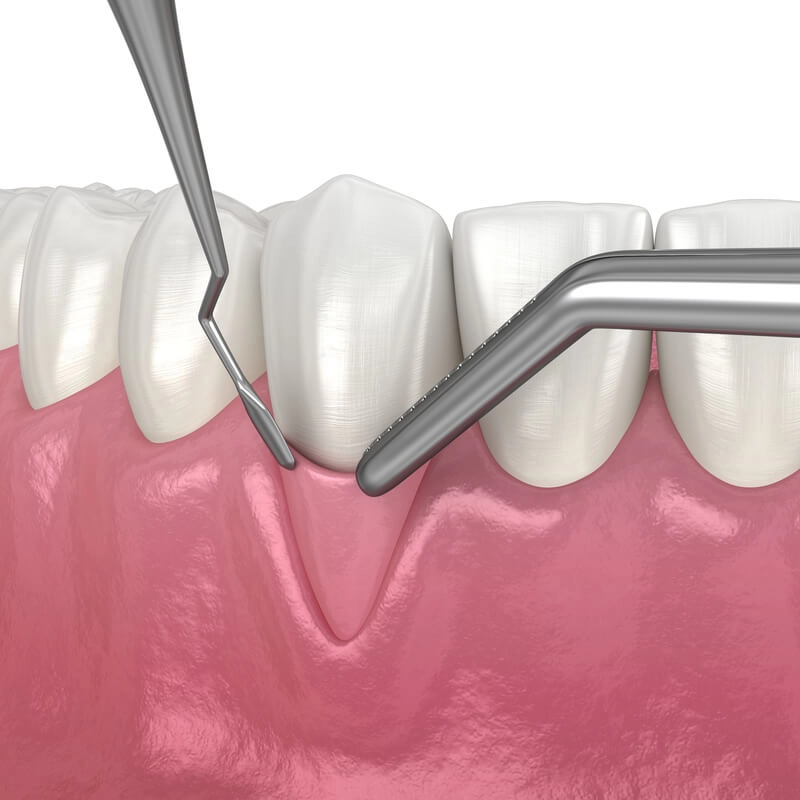
How to prevent and treat gum recession?
Gum recession is the process wherein the margin of the gum tissue that surrounds the teeth erodes or retracts. This exposes the tooth, or the root of the tooth, to further damage. When gum recession or gingival recession occurs, "pockets", or spaces, form between the teeth and the gum line. This facilitates the build-up of bacteria that can cause dental disease.
Why do gums recede?
Gums can recede for a number of reasons. Here are a few common causes for receding gums:
Poor dental hygiene: Insufficient brushing, flossing and rinsing with an antibacterial mouthwash facilitate the conversion of plaque into tartar. Tartar is a hard substance that accumulates on and between the teeth. This can only be removed by professional dental deep cleaning. This may eventually lead to recession of the gums, tooth loss and periodontal disease.
Are there any home remedies for gum recession?
Practice good oral hygiene: It is important to regularly brush and floss for overall oral health. Brushing vigorously can also result in loose teeth and gum erosion. It is important to brush regularly using a soft toothbrush.
It is recommended to swish some coconut oil in the mouth for a couple of minutes (15-20minutes). After swishing, spit this oil out and rinse your mouth with saltwater and brush your teeth for maximum benefit.
How does a dentist treat receding gums?
Receding gums can lead to severe dental conditions. It is therefore important to seek medical advice for active advice, diagnosis, and treatment. Dentists perform different procedures based on the various stages of gum recession.
Consult the Best Dentist in Bangalore for gums recession and gums receding treatment in Bangalore.
FAQs
1. What are the early signs of gum recession?
Early signs of gum recession include teeth appearing longer, increased tooth sensitivity, and gums that look thinner or seem to pull away from the teeth. You may also notice exposed tooth roots or changes in the gumline.
2. What causes gum recession?
Gum recession can be caused by gum disease, aggressive brushing, plaque and tartar buildup, genetic factors, tobacco use, and teeth grinding. Misaligned teeth and naturally thin gum tissue can also increase the risk.
3. What is the best treatment for gum recession?
The best treatment depends on the severity and underlying cause of the recession. Options include professional dental cleaning, treatment for gum disease, desensitising toothpaste, and gum grafting surgery for more advanced cases.
4. Can receding gums grow back naturally?
No, receded gum tissue generally does not grow back naturally. Good oral hygiene can help prevent further recession, while gum grafting may restore gum coverage in suitable cases.
5. How can I prevent early gum recession?
Use a soft-bristled toothbrush, brush gently twice daily, and floss regularly to maintain healthy gums. Avoid tobacco, schedule regular dental check-ups, and seek treatment for gum disease as early as possible.
6. Is gum recession a serious dental problem?
Gum recession can become serious if it progresses and exposes the tooth roots, increasing the risk of sensitivity, root decay, and damage to the supporting tissues. Early diagnosis and treatment can help protect the teeth and gums.
7. Can gum recession be treated without surgery?
Yes, mild gum recession may be managed without surgery by improving oral hygiene, treating gum disease, and using desensitising toothpaste when needed. However, non-surgical treatments cannot restore gum tissue that has already been lost.
8. When should I consult a dentist for receding gums?
Consult a dentist if you notice exposed tooth roots, increasing sensitivity, bleeding gums, or changes in the gumline. Loose teeth or rapidly worsening recession require prompt dental evaluation.
9. Can brushing too hard cause gum recession?
Yes, brushing too hard or using a hard-bristled toothbrush can contribute to gum recession over time. Use a soft-bristled toothbrush and gentle circular movements to clean your teeth without damaging the gums.
10. Does gum recession cause tooth sensitivity?
Yes, gum recession can expose the tooth roots, which are more sensitive to hot, cold, sweet, and acidic foods. A dentist can recommend suitable treatment to reduce sensitivity and protect the exposed roots.
Your smile says a lot about you. In fact, it’s often one of the first things people notice—and keeping it healthy does more than just enhance your appearance. Strong teeth and healthy gums are key to chewing food properly,
2 Jul 2025
Dental issues such as cavities, gum infections, sensitivity, bad breath, and erosion are among the most common dental problems people face today. Thankfully, with simple daily habits like brushing properly, eating right, and even using home remedies like salt water,
2 Jul 2025

A healthy diet plays a crucial role in maintaining strong teeth and gums. Eating the right foods can help strengthen enamel, protect against cavities, and support overall oral health. Incorporating enamel-strengthening foods, calcium-rich foods for teeth, and foods good for
20 Feb 2025
Dental braces are a widely used orthodontic treatment designed to correct misaligned teeth, bite issues, and jaw irregularities, improving both oral health and aesthetics. They work by applying continuous pressure to gradually shift teeth into proper alignment. Whether you're an
20 Feb 2025

Oral hygiene is an essential aspect of our overall health and well-being. It encompasses all the practices aimed at maintaining a clean mouth and preventing dental problems. Regular brushing, flossing, and visits to the dentist contribute significantly to oral hygiene. Why
6 Nov 2024

Gums play a crucial role in maintaining your overall oral health and ensuring a healthy teeth condition. Gum diseases can affect oral health causing serious oral issues. That is why it is important to stay aware of your gum condition.
6 Nov 2024
Oral health is a crucial aspect of overall health, especially for seniors. As we age, our mouths undergo significant changes, making dental care more important than ever. This guide covers the essential aspects of oral health care for seniors, providing
13 Jun 2024

In the realm of personal health and hygiene, dental care often takes a central role. Our oral health not only influences our ability to eat and speak but also impacts our overall well-being. Neglecting dental health can lead to various
18 Apr 2024
The gleam of a healthy smile is often attributed to pearly white teeth, but the real hero behind that glistening surface is the hard, mineralized layer called enamel. It acts as the teeth's first line of defense against the
2 Jan 2024
Enquire Now